Discover the Benefits of Bulk Trucking Services for Streamlined Shipping Operations.
Bulk trucking services function as a pivotal solution for businesses aiming to streamline logistics. With major financial advantages and enhanced operational performance, these services provide numerous benefits - Illinois top rated Bulk Trucking. Companies can benefit from quicker delivery, improved volume utilization, and a focus on green practices. As markets change, recognizing these merits is vital for those seeking a competitive edge. Which particular benefits can businesses harness to improve their logistics strategy?
Cost Savings Through Bulk Shipping
Bulk shipping can lead to significant cost savings for businesses, often cutting costs by as much as 30% compared to conventional transport approaches. This reduction stems from multiple causes, including the principle of scale economics. When businesses ship cargo in bulk shipments, they gain from decreased cost per item shipped. Furthermore, shipping in bulk generally means fewer trips, which reduces the amount of fuel burned and total shipping costs.
In addition, shipping in bulk helps businesses to secure improved pricing with carriers due to the volume of goods being shipped. This leverage can lead to better service agreements and enduring cost reductions. The reduced handling costs associated with bulk shipments also enhance cost-effectiveness, as a reduction in transfers results in lower labor costs and a lower chance of harm.
Ultimately, utilizing bulk freight not only enhances a company's bottom line but also promotes sustainable practices by improving efficiency and reducing the carbon footprint associated with freight transportation.
Enhanced Delivery Speed and Performance
Faster shipping and better effectiveness are key elements of bulk freight transport. By implementing streamlined loading processes, companies can notably reduce transit times, making certain goods arrive sooner. This improvement not only improves buyer contentment but also enhances total business efficiency.
Shorter Shipping Durations
In today's rapid environment of freight movement, shorter delivery periods are vital to satisfying client needs and securing a competitive edge. Heavy-duty transport providers refine their paths and simplify procedures, allowing for faster shipments. Using vehicles with enhanced carrying ability, these services minimize the number of trips required, which quickens the whole logistics cycle. Such effectiveness doesn't just improve client happiness but it also cultivates faithfulness, given that customers prefer prompt service. In addition, faster transport periods may contribute to reduced operating expenditures, since operations are able to deploy resources more efficiently. In a market where speed is critical, heavy transport providers stand out as a key answer, giving companies the means to address unstable demand promptly and maintain a robust supply chain.
Optimized Loading Procedures
Optimized loading operations are key to enhancing shipment velocity and total effectiveness in logistics. By employing sophisticated equipment and improved procedures, heavy haulage companies can reduce the duration at loading bays. Automated technology and strategically positioned loading spaces allow for faster entry and discharge, leading to accelerated vehicle preparation. Additionally, employing trained personnel who understand best practices guarantees that cargo is loaded safely and securely, minimizing the chance of harm. This streamlined approach not only enhances operational efficiency it also facilitates punctual shipments, fulfilling client requirements. Finally, the success of cargo handling methods corresponds precisely with the comprehensive results of bulk haulage operations, positioning it as a crucial factor in successful shipping.
Better Load Size and Deployment
Increasing carrying volume is a key feature of heavy transport operations that heavily influences the productivity of logistics. Heavy transport employs dedicated trucks built to haul massive volumes of freight, leading to a substantial boost in capacity compared to typical logistics. This increased capacity allows companies to transport more freight in fewer trips, reducing overall transportation costs and lessening ecological footprint due to reduced gas usage.
Moreover, better load deployment ensures that the usable area inside the truck is efficiently occupied, leading to ideal freight density. By adopting advanced loading techniques and strategic planning, heavy transport providers are able to secure greater cargo weights, leading to more efficient operations and faster delivery. This capability to transport bigger loads not only fulfills market demand more efficiently it also boosts the total output of the supply chain processes. Consequently, enhanced load capacity and utilization play an important role in optimizing the effectiveness of cargo movement in the bulk trucking sector.
Greater Consistency and Trustworthiness
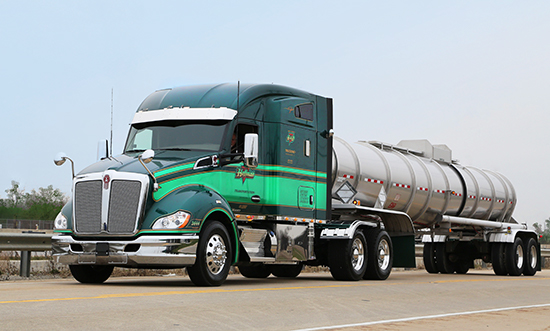
In bulk trucking services, improved consistency and trustworthiness are vital for efficient cargo movement. On-time shipments and reliable transit timelines reduce interruptions, enabling companies to plan their operations productively. Moreover, better load organization ensures effective resource utilization, further strengthening the trustworthiness of these services.
Timely Deliveries Every Time
While many elements can affect transit timelines, trustworthy bulk hauling companies guarantee timely deliveries that fulfill customer needs. These services use a blend of sophisticated planning, expert operators, and maintained trucks to verify that goods meet their deadline. Regular updates between logistics staff and clients boosts trustworthiness even more, allowing for real-time updates and quick handling of possible problems. By emphasizing on-time performance, bulk trucking companies build trust with their clients, fostering long-term partnerships. This trustworthiness not only minimizes delays but also helps clients streamline their operations, reducing costs associated with inventory holding and production downtime. In the end, punctual shipments are a foundation of successful bulk transport, confirming its position in efficient freight transportation.
Reliable Delivery Deadlines
Trustworthy bulk hauling companies do more than just ensure punctual shipments but also create reliable delivery timetables that enhance overall logistics operations. By ensuring steady collection and delivery slots, businesses can improve their supply chain planning and regulate storage amounts. This consistency permits businesses to synchronize output plans and improve resource distribution, lowering the potential for holdups or issues. In addition, consistent transit evaluation builds better partnerships between haulers and clients, establishing a cooperative setting. This standard of consistency helps companies reliably inform clients of delivery schedules, thereby improving customer satisfaction. In summary, consistent transit timelines are crucial for sustaining effectiveness in goods transit, making sure processes proceed seamlessly and productively.
Improved Cargo Organization
Better load handling plays an essential role in increasing the reliability and consistency of bulk trucking services. Via the proper structuring and improvement of the loading process, firms make certain that shipments are delivered on time and in full. This systematic approach reduces the possibility of overloading or underloading vehicles, which yields enhanced fuel efficiency and decreased costs. Modern technological solutions, for instance, cargo tracking platforms, further enhance transparency, allowing stakeholders to monitor shipments in real-time. In addition, improved load management aids in superior journey organization, ensuring that drivers meet timelines avoiding superfluous postponements. Thus, businesses benefit from predictable delivery timelines, fostering trust and satisfaction among clients, which ultimately enhances the competitive edge in the freight transportation industry.
Ecological Advantages of Bulk Freight Movement
As industries seek sustainable solutions, bulk transportation emerges as a highly efficient method for freight movement that greatly reduces environmental impact. By consolidating large quantities of goods into fewer shipments, bulk trucking reduces the necessary number of journeys, leading to lower fuel consumption and decreased GHGs. This efficiency results in a reduced ecological impact than standard cargo transportation.
Furthermore, bulk transportation often utilizes specialized vehicles designed for optimized aerodynamics and weight distribution, boosting energy conservation even more. The reduction in packaging materials is key to lowering material waste, as bulk shipments require less individual packaging versus traditional, smaller deliveries.
In addition, many bulk trucking companies are increasingly adopting eco-friendly technologies, like biofuels and EV trucks, to reduce their ecological footprint even more. In summary, bulk transportation provides an effective solution for industries seeking to improve environmental responsibility and guaranteeing streamlined shipping operations.
Flexible Solutions for Diverse Freight Needs
While traditional freight methods often struggle to accommodate diverse load dimensions and needs, bulk trucking services provide flexible options that address a broad spectrum of shipping requirements. These services can efficiently transport large volumes of goods, be it fluids, aggregates, or other loose products, helping companies improve their distribution channels.
Bulk trucking is uniquely helpful for organizations whose inventory requirements change, as it allows for quick adjustments in shipment size and frequency. This flexibility both minimizes expenditures related to idle carrying potential but also ensures prompt arrival, enhancing customer satisfaction.
Moreover, bulk trucking services have access to custom-designed trucks, ensuring varied cargo is managed securely and effectively. By leveraging these versatile solutions, businesses can streamline their operations and respond effectively to market changes, ultimately leading to improved logistical efficiency and a competitive edge in the industry.
Frequently Asked Questions
What Types of Goods Are Suitable for Bulk Trucking Services?
Various goods are suitable for bulk trucking services, including agricultural products, chemicals, construction materials, and food items. These services effectively transport large quantities, ensuring efficient handling and delivery of diverse materials across various industries.
How Do I Choose a Reliable Bulk Trucking Provider?
To choose a reliable bulk trucking provider, one should evaluate their reputation, check for appropriate certifications, assess customer reviews, compare pricing structures, and guarantee they have the necessary equipment to handle specific freight needs efficiently. Illinois top rated Bulk Trucking.
Illinois top rated Bulk Trucking.
Are There Minimum Load Requirements for Bulk Trucking?
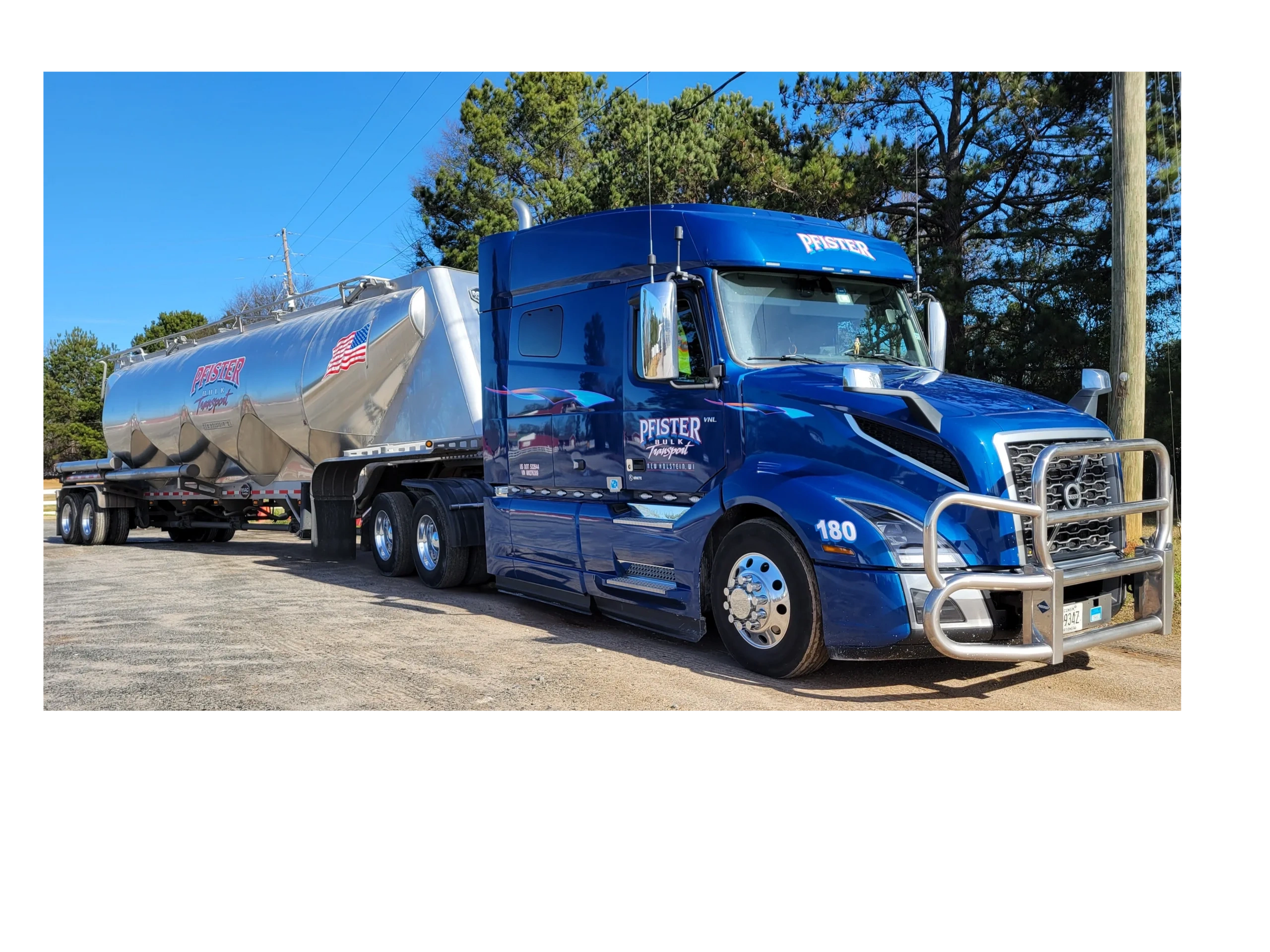
Yes, bulk trucking often has minimum load requirements, which can vary by provider and type of freight. Typically, these minimums guarantee cost-efficiency, enabling carriers to optimize routes and maximize their capacity for transporting goods.
What Safety Measures Are in Place for Bulk Freight?
Safety measures for bulk freight include secure loading practices, regular vehicle inspections, adherence to weight limits, driver training programs, and compliance with regulations. These protocols guarantee cargo safety and minimize risks during transportation.
Can Bulk Trucking Handle Perishable Goods Effectively?
Yes, bulk trucking can handle perishable goods effectively through temperature-controlled vehicles, specialized packaging, and timely delivery schedules, ensuring that products remain fresh and safe during transportation while minimizing spoilage and maximizing efficiency.