Uncovering the Benefits of Using Bulk Haulage for Your Logistics Demands
Bulk freight transport presents a strategic option for businesses aiming to improve their supply chain. When combining loads, businesses are able to realize major financial benefits and minimize their carbon footprint. Moreover, bulk transport ensures greater dependability and versatility in delivery schedules - Illinois top rated Bulk Trucking. Since the environment of transport operations develop, grasping the specifics of bulk trucking is critical for staying competitive. What further benefits might this method show for contemporary companies?
Achieving Cost Reduction Via Economies of Scale
Despite many firms are encountering higher transport fees, this method delivers substantial financial benefits through large-scale operations. By consolidating shipments, organizations minimize the per-unit cost of transportation, as greater volumes enable optimized resource deployment such as workers and gasoline. This efficiency translates to decreased operational spending, thereby positioning bulk haulage as a favorable solution for firms aiming to improve their transport operations.
Moreover, bulk transport reduces the amount of travel needed, which results in additional cost reduction associated with vehicle maintenance and driver wages. Companies can negotiate better rates with carriers when committing to larger volumes, allowing them to gain from lower delivery charges. In turn, companies are able to direct their financial gains towards different parts of the business, improving their market position. Ultimately, the economic advantages of bulk trucking establish it as a key strategy for companies seeking to increase profitability while ensuring effective transport management.
Minimizing Environmental Harm
This method plays a major role in a smaller environmental toll, positioning it as a green option for moving goods. By consolidating shipments, bulk transport reduces the frequency of travel to deliver goods, which in turn decreases fuel consumption and greenhouse gas emissions. The streamlined approach to transporting large quantities of materials allows for fewer vehicles on the road, lessening traffic jams and wear on infrastructure.
Moreover, many bulk trucking companies are implementing greener methods, such as deploying energy-saving fleets and streamlining delivery routes to further decrease their carbon footprint. Employing modern technology in logistics further assists with monitoring emissions and boosting operational performance. Since companies are focusing more on sustainability, choosing bulk transport not only supports eco-friendly initiatives but also aligns with corporate social responsibility goals. As a result, bulk hauling offers a viable option for companies seeking to lessen their environmental impact and still satisfying their delivery demands.
Faster Shipping and Greater Reliability
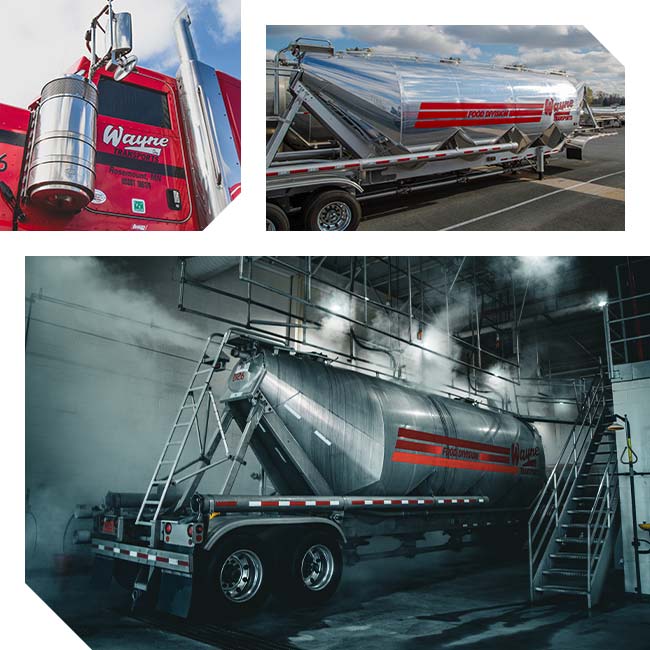
If firms select bulk hauling for moving their goods, they usually benefit from better transit times and improved consistency. This transport option is engineered to efficiently move large amounts of cargo, cutting down on the necessary journeys. Through combining loads, firms can lessen delays linked to pickup and drop-off, leading to faster transit times.
Furthermore, bulk hauling generally makes fewer pauses, which simplifies the shipping operation. A lot of bulk transport firms use modern logistics and tracking systems, providing real-time updates that enhance transparency and accountability. This level of visibility helps businesses plan more effectively, ensuring that products arrive on schedule.
Moreover, the reliability of bulk trucking is bolstered by experienced drivers and regularly maintained equipment, minimizing the chance of mechanical failures or holdups. Consequently, businesses can rely on bulk transport providers to regularly meet their delivery schedules, which ultimately boosts client happiness and reinforcing business relationships.
Enhanced Load Capacity and Flexibility
Although many shipping methods restrict cargo volume, bulk shipping delivers increased cargo capacity allowing firms to ship significant volumes of materials in a single journey. This capacity proves highly useful for industries that must transport massive volumes, like construction, agriculture, and mining. Employing vehicles tailored for bulk cargo, firms can improve their delivery methods, minimizing the hauls necessary for delivery.
In addition, bulk hauling allows adaptability in cargo setup, handling different kinds of materials, like grains, liquids, and powders. This flexibility helps firms adjust to evolving needs and effectively handle their logistics network without sacrificing volume. By leveraging the enhanced load capacity and flexibility of bulk trucking, businesses can streamline their operations, lower transport expenditures and guarantee a more reliable delivery process. In conclusion, this choice offers a viable answer for companies seeking to maximize shipping efficiency and satisfy client demands.
Efficient Supply Chain Operation
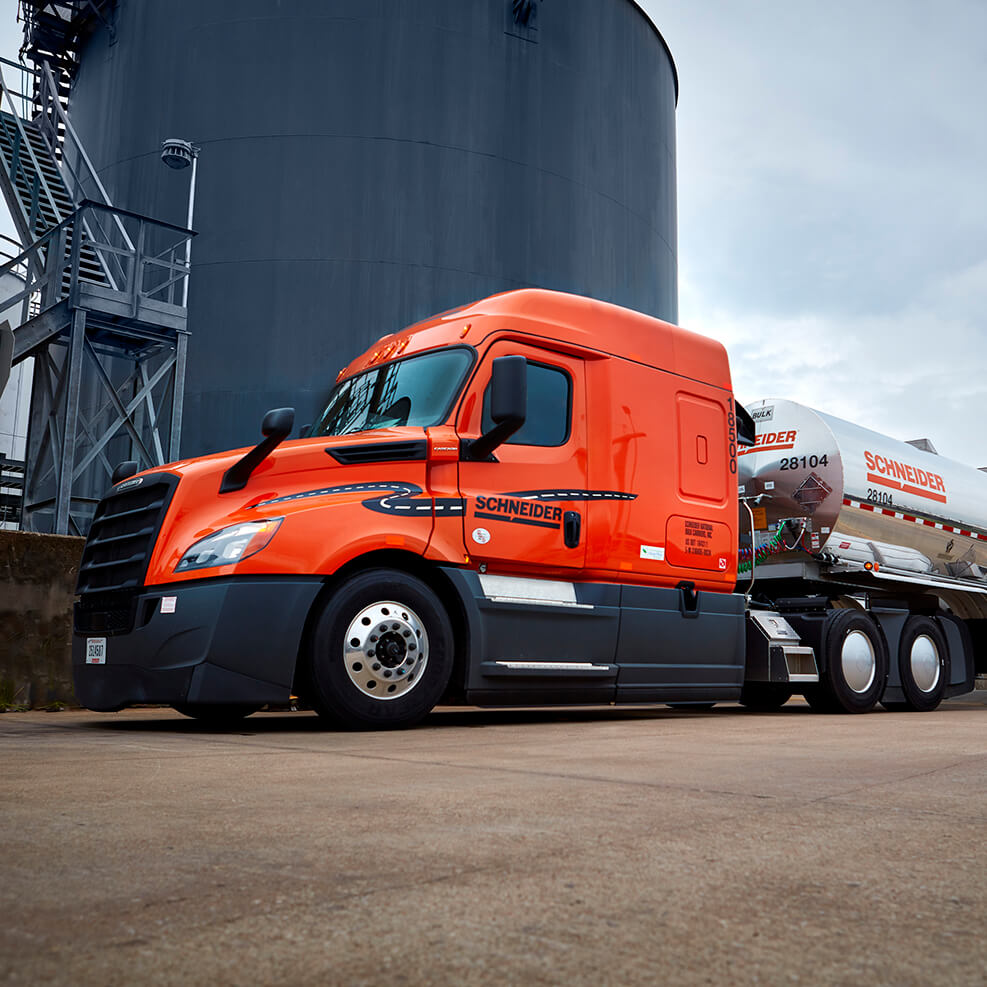
Optimized supply chain management is more attainable with the integration of large-scale transport into the operational framework. By grouping deliveries, businesses can lower shipping expenses and quicken transit schedules. Mass hauling facilitates the movement of greater volumes of cargo in less journeys, minimizing the complexity associated with multiple shipments. This efficiency makes possible improved stock control, as companies can receive and distribute products with greater speed.
Furthermore, bulk trucking strengthens interaction and collaboration among SCM stakeholders. With fewer carriers involved, tracking shipments becomes simpler, leading to improved visibility and quicker response times to potential problems. The dependability of bulk trucking also guarantees that goods arrive at their destinations in prime condition, decreasing the chance of delays or damages. In conclusion, adding large-scale hauling into logistics planning fosters a more cohesive and efficient logistics framework, benefiting businesses and the consumers as well.
Questions and Answers
What Types of Goods Are Best Suited for Large-Scale Hauling?
Bulk trucking is ideal for moving significant amounts of product such as agricultural products, building supplies, chemicals, and food items. These goods benefit from streamlined, affordable transport options, cutting down on manual processing and lowering total shipping expenditure.
What Is the Process for Finding a Trustworthy Mass Hauler?
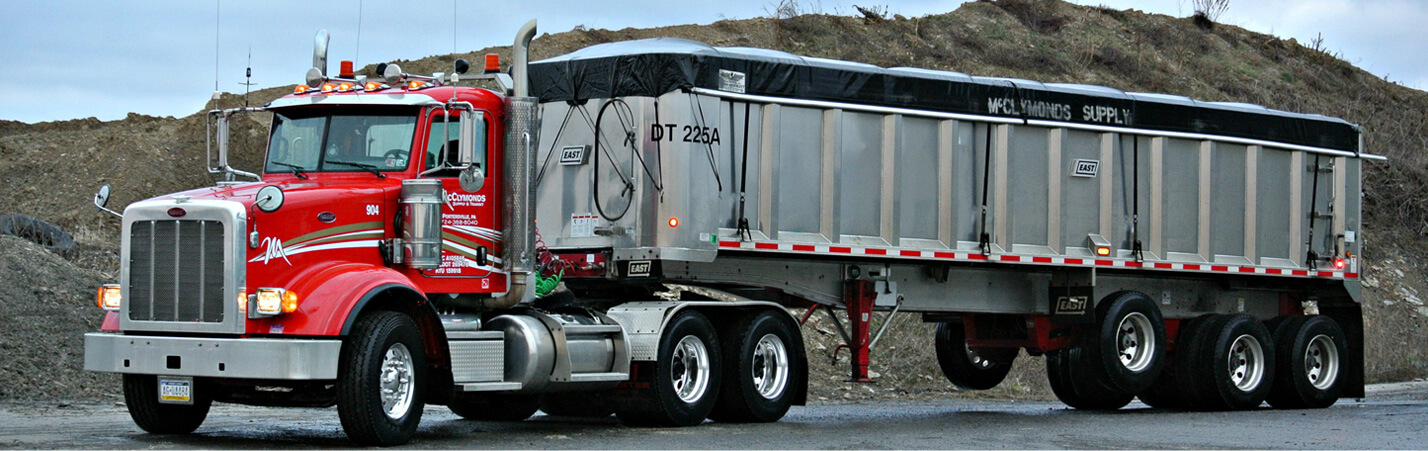
To find a trustworthy logistics firm, one should research online reviews, seek recommendations from industry peers, assess credentials, pertinent information and compare quotes - Illinois top rated Bulk Trucking. Furthermore, assessing the company’s history and vehicle resources is necessary for informed decision-making
What is the Typical Delivery Period for Large Cargo Loads?
The average transit time for bulk shipments is generally around 24 to 72 hours, based on the mileage, road quality, and the kind of goods. Changes in these elements can greatly impact delivery timelines.
Do Weight Limits Apply for Mass Transport Shipments?
Yes, bulk trucking loads typically have weight restrictions, which vary by state and vehicle type. Illinois top rated Bulk Trucking. Rules guarantee safety and compliance, typically restricting loads to around 40 tons for standard trucks on major roads
Is Bulk Transport Handle Temperature-Controlled Freight?
Certainly, bulk trucking can manage temperature-sensitive shipments through the use of dedicated machinery, like temperature-controlled vans. This capability guarantees that perishable goods keep their necessary climate throughout the journey, preserving their condition and quality.