Investigating the Upsides of Opting for Bulk Haulage for Your Transportation Requirements
Moving goods in bulk offers a strategic choice for businesses aiming to improve their supply chain. When combining loads, organizations can obtain major financial benefits and lower their impact on the environment. Additionally, this approach provides greater dependability and flexibility in transport timetables - Illinois top rated Bulk Trucking. Given the evolution of supply chain management evolves, knowing the details of bulk freight transport is critical for staying competitive. What additional upsides might this approach reveal for modern businesses?
Achieving Cost Reduction Via Economies of Scale
While numerous companies face rising transportation costs, this method delivers major reductions in cost through the principle of scale efficiency. By consolidating shipments, organizations minimize the cost to transport each item, as more substantial loads permit more efficient use of resources such as fuel and labor. This efficiency translates to decreased operational spending, which makes bulk transport a favorable solution for companies seeking to streamline their supply chain.
Furthermore, bulk trucking minimizes the amount of travel needed, which further decreases costs associated with vehicle maintenance and driver wages. Businesses are able to secure improved pricing with carriers when agreeing to bigger loads, enabling them to benefit from lower delivery charges. In turn, companies are able to direct their financial gains towards different parts of the business, enhancing their competitive edge. Ultimately, the economic advantages of bulk trucking make it a strategic choice for companies seeking to increase profitability while keeping logistics running smoothly.
Minimizing Environmental Harm
This method plays a major role in a smaller environmental toll, positioning it as a green option for shipping. By consolidating shipments, bulk trucking minimizes the frequency of travel to deliver goods, which thereby reduces gasoline usage and harmful emissions. This efficient method of moving substantial volumes of goods allows for fewer vehicles on the road, lessening traffic jams and damage to roads.
Moreover, many bulk trucking companies are implementing greener methods, explore here such as utilizing fuel-efficient vehicles and streamlining delivery routes to reduce their environmental impact even more. Employing modern technology in logistics also aids in monitoring emissions and boosting operational performance. Given that corporations are emphasizing sustainability more, opting for bulk trucking doesn't just support green efforts but also meets CSR objectives. Thus, bulk hauling offers a viable option for companies seeking to lessen their environmental impact and still completing their logistical requirements.
Faster Shipping and Greater Reliability
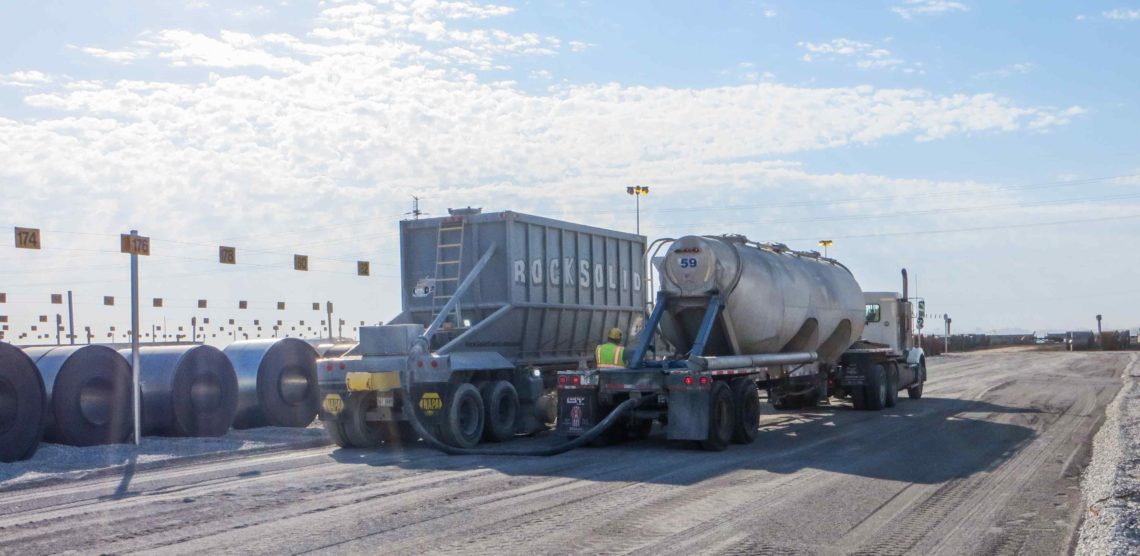
When companies choose bulk trucking for moving their goods, they often experience improved delivery times and enhanced reliability. This shipping method is built to effectively manage high volumes of products, reducing the number of trips required. Through combining loads, businesses can reduce holdups related to staging and destaging, which translates to accelerated shipping.
Furthermore, bulk hauling generally makes fewer pauses, which makes the delivery process more efficient. Numerous bulk haulers employ cutting-edge tracking and logistics tools, offering live status reports that enhance transparency and accountability. This transparency allows firms to plan better, ensuring that products arrive on schedule.
In addition, the reliability of bulk trucking is bolstered by experienced drivers and properly serviced trucks, lessening the possibility of malfunctions or delays. Therefore, companies can depend on bulk trucking services to regularly meet their delivery schedules, which ultimately boosts client happiness and strengthening commercial ties.
Superior Load Size and Flexibility
While many transportation options have limitations on load size, bulk transport provides greater hauling volume allowing firms to ship significant volumes of materials in one trip. This feature is especially advantageous for sectors needing to move high quantities of materials, including mining, construction, and agriculture. With specialized vehicles designed for bulk materials, businesses can optimize their shipping processes, minimizing the hauls necessary for delivery.
Additionally, bulk trucking provides flexibility in load configuration, accommodating various types of products, such as powders, grains, and liquids. This adaptability enables businesses to respond to fluctuating demands and manage their supply chain effectively without losing hauling power. By taking advantage of bulk trucking's flexibility and capacity, companies can optimize their processes, reduce shipping expenses and secure a more consistent delivery method. Ultimately, this option presents a practical solution for businesses looking to optimize transport effectiveness and satisfy client demands.
Better Management of the Supply Chain
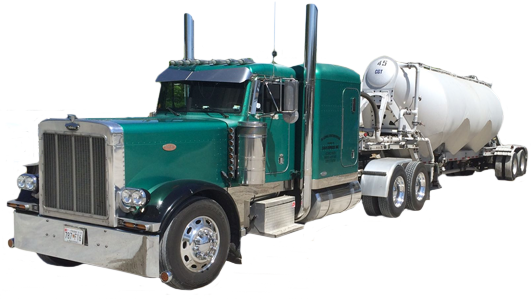
Better supply chain management becomes increasingly achievable with the integration of large-scale transport into logistics operations. By combining loads, businesses can reduce transportation costs and improve delivery times. Large-scale transport facilitates the movement of larger quantities of goods in reduced travel, minimizing the complexity associated with multiple shipments. This streamlining enables improved stock control, as companies can receive and distribute products with greater speed.
In addition, bulk trucking strengthens interaction and coordination among supply chain partners. With fewer carriers involved, tracking shipments becomes simpler, which provides greater clarity and faster reaction speed to any issues that may arise. The reliability of bulk trucking also makes certain that goods arrive at their destinations in excellent shape, reducing the likelihood of transit issues. In summary, incorporating mass transport into SCM frameworks creates a more unified and efficient logistics framework, benefiting businesses and their customers alike.
Common Queries
Which Products Are Ideal for Bulk Trucking?
Mass transport is perfect for moving significant amounts of product such as agricultural products, building supplies, industrial compounds, and groceries. These goods gain from efficient, cost-effective shipping methods, reducing handling and lowering total shipping expenditure.
What Is the Process for Finding a Trustworthy Mass Hauler?

To find a trustworthy logistics firm, one should research online reviews, solicit advice from other businesses, evaluate certifications, and get multiple bids - Illinois top rated Bulk Trucking. Moreover, assessing the company’s history and truck capacity is essential for making a sound choice
What is the Typical Delivery Period for Large Cargo Loads?
The typical delivery period for bulk shipments typically ranges from 24 to 72 hours, varying by the route length, road quality, and the kind of goods. Changes in these elements can greatly impact delivery timelines.
Are There Weight Restrictions for Large Cargo Deliveries?
Absolutely, bulk trucking loads are usually subject to weight limits, which differ by region and equipment used. Illinois top rated Bulk Trucking. Guidelines ensure safety and compliance, usually capping loads to roughly 80K pounds for standard trucks on highways
Is Bulk Transport Accommodate Perishable Goods?
Absolutely, bulk trucking can accommodate goods requiring climate control through the use of specialized equipment, like temperature-controlled vans. This capability makes certain that perishable goods maintain their specified temperature range during transit, preserving their condition and quality.