Exploring the Advantages of Using Bulk Trucking for Your Logistics Demands
Bulk haulage presents a strategic option for firms seeking to improve their supply chain. By grouping deliveries, companies can achieve significant cost savings and decrease their ecological impact. Furthermore, this approach provides enhanced trustworthiness and flexibility in delivery schedules - Illinois top rated Bulk Trucking. Since the environment of transport operations develop, understanding the nuances of bulk trucking is vital for maintaining a competitive edge. What additional upsides might this method show for contemporary companies?
Lowering Costs Using Economies of Scale
While numerous companies are encountering higher transport fees, bulk freight provides substantial financial benefits through large-scale operations. By consolidating shipments, companies can reduce the cost to transport each item, as more substantial loads permit more efficient use of resources such as workers and gasoline. This optimization leads to decreased operational spending, making bulk trucking an attractive option for firms aiming to improve their transport operations.
Moreover, this method decreases the frequency of trips required, which helps lower expenses even more associated with vehicle maintenance and driver wages. Firms may obtain more favorable fees with transport providers when committing to larger volumes, enabling them to benefit from lower delivery charges. Therefore, businesses can allocate their savings towards other operational areas, enhancing their competitive edge. In conclusion, the economic advantages of bulk trucking establish it as a key strategy for organizations aiming to improve their bottom line while ensuring effective transport management.
Minimizing Environmental Harm
This method plays a major role in a reduced environmental impact, making it an eco-friendly choice for moving goods. When combining deliveries, bulk trucking minimizes the number of trips required to deliver goods, which thereby reduces energy use and carbon output. This efficient method of transporting large quantities of materials allows for fewer vehicles on the road, easing road blockage and strain on public works.
Additionally, many bulk trucking companies are implementing greener methods, such as deploying energy-saving fleets and streamlining delivery routes to reduce their environmental impact even more. Employing modern technology in read guide logistics helps in tracking pollution and enhancing overall efficiency. Given that corporations are emphasizing sustainability more, opting for bulk trucking not only aids environmental programs while fulfilling social responsibility goals. As a result, bulk trucking serves as a practical solution for firms aiming to minimize their environmental damage and still completing their logistical requirements.
Faster Shipping and Greater Reliability
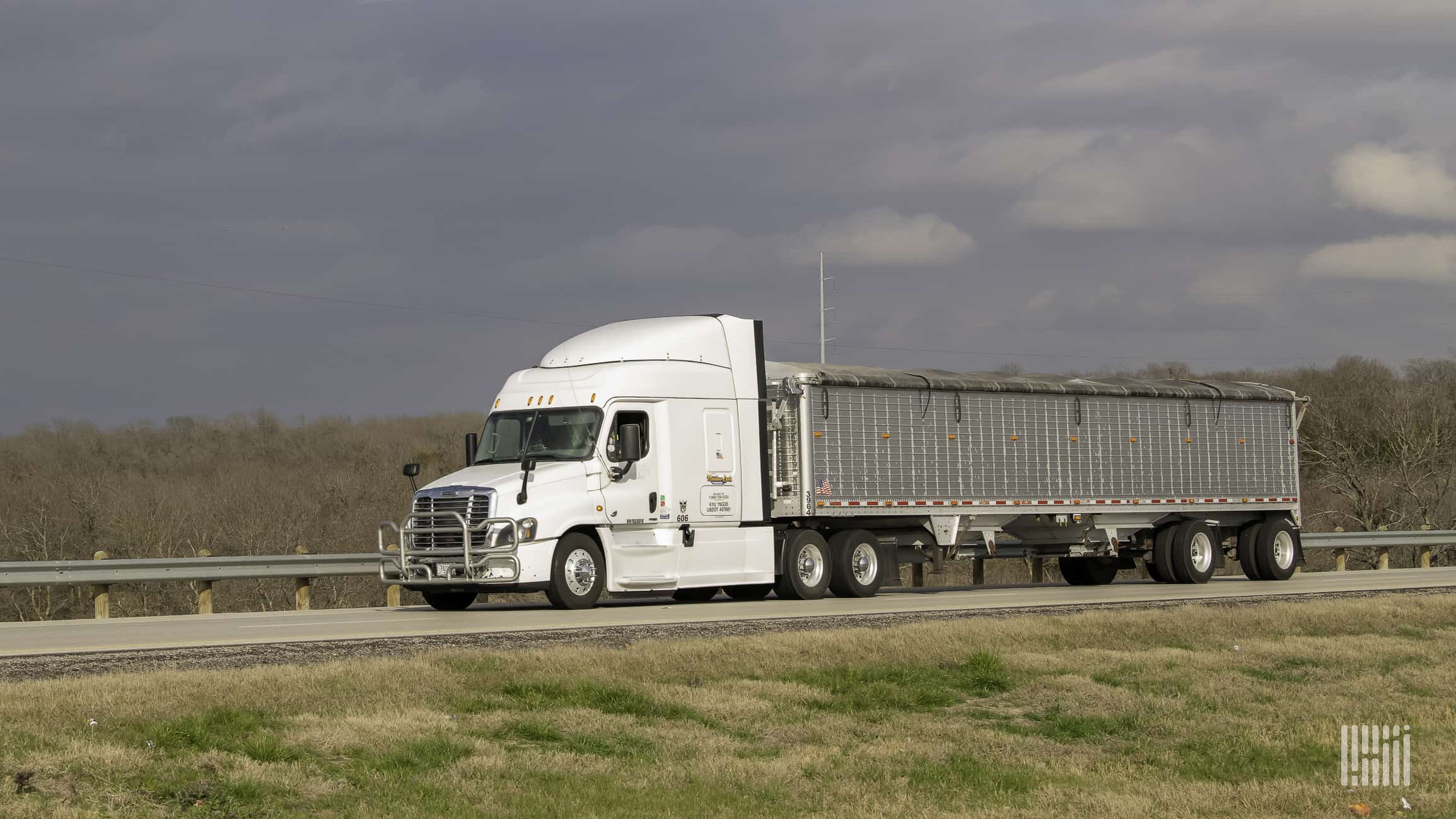
When businesses opt for bulk transport for moving their goods, they often experience improved delivery times and enhanced reliability. This mode of transportation is designed to efficiently handle large quantities of goods, minimizing the required trips. By consolidating shipments, companies can minimize delays associated with loading and unloading, leading to faster transit times.
Moreover, bulk trucking typically involves fewer stops, which makes the delivery process more efficient. Numerous bulk haulers employ cutting-edge tracking and logistics tools, giving instant information which boosts openness and dependability. Having this visibility enables companies to plan efficiently, making sure that goods are delivered promptly.
Moreover, the reliability of bulk trucking is bolstered by experienced drivers and regularly maintained equipment, lessening the possibility of malfunctions or delays. In turn, businesses can rely on bulk transport providers to meet their shipping deadlines consistently, ultimately improving customer satisfaction and solidifying business connections.
Superior Load Size and Flexibility
While many transportation options have limitations on load size, bulk shipping delivers increased cargo capacity allowing firms to ship significant volumes of materials in a single haul. This capacity proves highly useful for industries requiring the movement of large volumes, such as agriculture, construction, and mining. Using specialized trucks built for bulk goods, companies can streamline their transport operations, reducing the number of trips needed to deliver goods.
Additionally, bulk hauling allows adaptability in cargo setup, allowing for diverse product types, like grains, liquids, and powders. This adaptability enables businesses to respond to fluctuating demands and efficiently manage their supply chain without losing hauling power. By leveraging the enhanced load capacity and flexibility of bulk trucking, businesses can streamline their operations, lower transport expenditures and ensure a more dependable shipping procedure. In the end, this method provides an effective solution for firms aiming to maximize delivery efficiency and meet customer expectations.
Efficient Supply Chain Operation
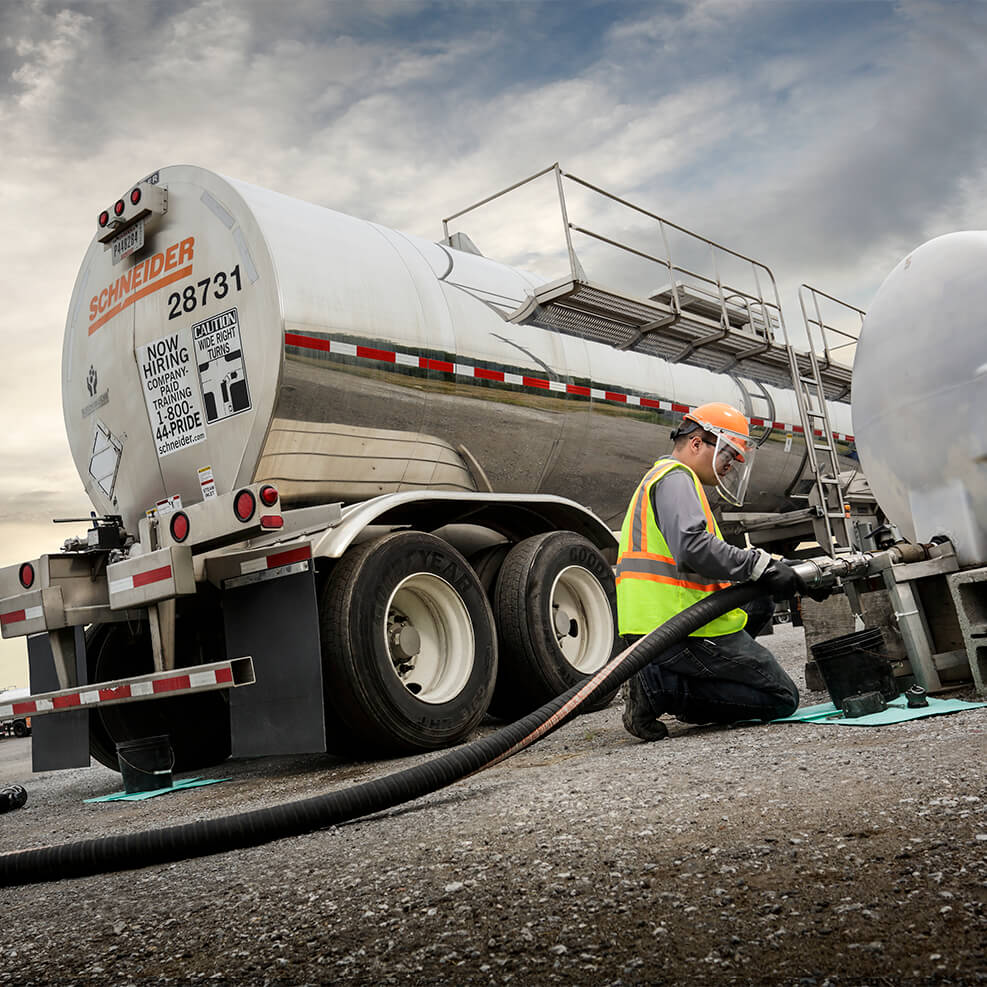
Streamlined SCM processes becomes increasingly achievable with the incorporation of mass hauling into logistics operations. By combining loads, businesses can reduce transportation costs and speed up delivery. Bulk trucking enables the transfer of more products in fewer trips, lessening the difficulty involved in numerous deliveries. This streamlining makes possible superior warehouse organization, as companies can get and send out goods with greater speed.
Furthermore, bulk trucking enhances communication and cooperation among logistics collaborators. With fewer carriers involved, monitoring deliveries is easier, leading to improved visibility and more rapid responses to potential problems. The reliability of bulk trucking also guarantees that goods arrive at their destinations in optimal state, decreasing the chance of delays or damages. In conclusion, adding large-scale hauling into supply chain strategies promotes a more integrated and efficient logistics framework, benefiting businesses and the consumers as well.
Questions and Answers
What Cargo Is Most Appropriate for Large-Scale Hauling?
Mass transport is perfect for transporting large quantities of goods such as crops, raw materials, industrial compounds, and groceries. These goods profit from efficient, cost-effective shipping methods, minimizing manipulation and minimizing overall transportation costs.
Where Can I Locate a Trustworthy Mass Hauler?

To find a reliable bulk trucking provider, one should research online reviews, solicit advice from other businesses, assess credentials, and compare quotes - Illinois top rated Bulk Trucking. Moreover, assessing the company’s history and truck capacity is essential for making a sound choice
What is the Typical Delivery Period for Large Cargo Loads?
The average transit time for bulk shipments is generally around 24 to 72 hours, depending on distance, route conditions, and the nature of the freight. Changes in these elements can significantly alter transit times.
Do Weight Limits Apply for Bulk Trucking Loads?
Indeed, bulk trucking loads typically have weight restrictions, which vary by state and vehicle type. Illinois top rated Bulk Trucking. Guidelines guarantee safety and compliance, typically restricting loads to approximately 80,000 pounds for conventional transport on major roads
Can Bulk Trucking Manage Perishable Goods?
Yes, bulk trucking can manage temperature-sensitive shipments by employing dedicated machinery, like reefer units. This feature makes certain that perishable goods preserve their specified temperature range throughout the journey, protecting freshness and integrity.